Scheduling and no-shows · 8 min read
A Shared Schedule for Tattoo Artists Without Double Bookings
September 1, 2026 · Equipo Teser
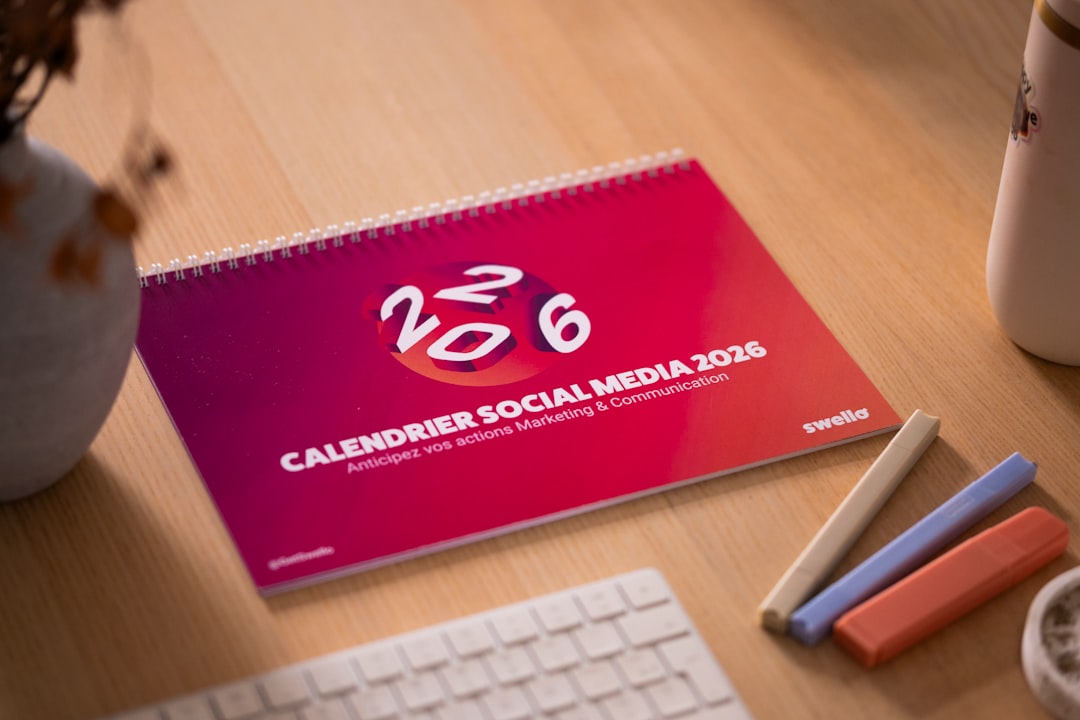
It's 4:40 p.m. on a Saturday. Two clients arrive at the same time for booth 2. One had an appointment with Marta at 5:00 p.m., the other with Rubén at the same time because someone wrote the slot down wrong in the notebook. Marta has been without a booth for half an hour because Rubén ran over with a cover-up session. And you, who just wanted to have a coffee, have just become the referee of a conflict that shouldn't exist. This happens every week in studios with more than two artists, and almost always for the same reason: nobody has really decided how space and time are shared out. With a schedule designed for this, like Teser's, this problem disappears before Saturday arrives.
Why the notebook and the group WhatsApp chat can't handle more than two artists
With a single tattoo artist, any system works. With two, it starts to creak. With three or more, it's mathematically impossible not to have errors if you keep managing the schedule by hand or through scattered messages.
The problem isn't anyone's bad faith. It's that the information lives in different places: the paper diary at the front desk, each artist's notes on their phone, the WhatsApp group where someone announces "hey, I'm moving my 12:00 appointment to Thursday" and nobody else reads it in time. Each artist has their own version of the truth, and the only one that should count — who uses which booth and at what time — doesn't exist anywhere centralized.
A studio with three tattoo artists and two booths that manages this badly loses on average between 3 and 5 hours of billable work per week just reorganizing mismatched appointments, plus the wear and tear of telling a client that their appointment is delayed by 40 minutes because the booth was occupied.
The underlying mistake: confusing "each artist's schedule" with "the studio's schedule"
Many studios keep the schedule per artist, as if each one had their own business inside the premises. Marta sees her calendar, Rubén sees his, and they assume that's enough. The failure shows up in the shared resource: the booths. You can have four artists with perfectly organized schedules and still clash over the booth, because nobody is looking at the physical resource, only at each person's time.
The solution is to treat the booth as a bookable resource, just as you book the artist. Every appointment must block two things at once: the tattoo artist's slot and the slot of the booth they'll use. If your scheduling system doesn't allow this, you're managing only half the reality.
This is exactly what Teser's schedule solves: you can register each booth or room as an independent resource, assign it to each appointment along with the artist, and the system automatically warns you if there is an overlap, whether of a person or of a space. Nobody has to remember from memory that booth 2 is occupied until 5:30 p.m. The calendar itself blocks it.
Clear rules before more control
Before throwing technology at the problem, there's a conversation pending in most studios: who has priority when there's a conflict? Without this rule in writing, every schedule clash becomes an improvised negotiation where whoever shouts loudest or has been in the studio longest wins.
Some rules that work in studios with 3 to 6 artists:
- A fixed booth per artist when the number of booths allows it. If you have three booths and three resident artists, assign one to each. It eliminates 80% of conflicts in one stroke. The problem only reappears with guest artists or guest spots.
- Time-slot shifts for shared booths. If you have two booths for four artists, set fixed slots: mornings for two, afternoons for the other two, with weekly rotation if needed to balance things out.
- Priority by booking date, not by seniority in the studio. Whoever booked that slot first keeps it. It's the easiest rule to defend because it's objective and doesn't depend on internal hierarchies.
- Blocking window for long sessions. A session of more than 3 hours should be booked at least one week in advance in the shared system, not announced the day before on WhatsApp.
These rules are useless if everyone then keeps writing in their own notebook. They need to live in a system that everyone checks and that updates in real time, so that the artist who books at 9:00 a.m. doesn't clash with the one who books at 9:15 without knowing it.
What a shared schedule for several artists really needs
You don't need an extremely complicated system, but you do need one that covers these minimum points:
Full visibility and differentiated permissions. The whole team must see the studio's complete schedule, not just their own, to know which time slots have a real opening. But that doesn't mean everyone can modify anyone's appointment. In Teser you can give view-only access to certain profiles and full editing permission to others, preventing an artist from accidentally moving a colleague's appointment.
Automatic overlap blocking. If Marta tries to book booth 2 at 5:00 p.m. and it's already occupied, the system has to prevent it or at least warn clearly before confirming, rather than letting the double booking slip through and be discovered on the day of the appointment.
View by resource, not just by person. Being able to ask "which booths are free on Thursday afternoon?" is as important as asking "what does Rubén have on Thursday?". They are two different questions and both need a quick answer.
Notifications when something changes. If an artist cancels or moves an appointment, the rest of the team must find out without depending on someone writing it in the group chat. Automating this notice prevents a booth from being "ghost"-booked for nobody for hours.
Change history. When there's a conflict ("I had booked first"), being able to see who moved what and when ends the argument in seconds, without having to reconstruct a WhatsApp conversation from three weeks ago.
If your studio already bills enough to pay the rent on two or three booths, the cost of managing this badly — lost time, rescheduled clients, tension between artists who work on commission and see a scheduling conflict cut their billable hours — is far greater than that of a system that solves the problem at its root.
What changes when the schedule no longer depends on someone's memory
The studio that fixes this doesn't notice it only in appointments no longer clashing. It notices it in the work atmosphere. Fights over the booth are almost never about the booth: they're about feeling wronged, about the sense that the system favors some people over others. When the schedule is transparent, with clear rules and an automatic block that doesn't depend on anyone's good memory, those tensions go down on their own.
The relationship with the client changes too. Nothing wears down trust more than showing up for your appointment and being told you have to wait 40 minutes because of an internal mix-up. That, repeated several times a month, translates into lower-rated reviews and clients who don't book with you again even if the tattoo work was good.
Start by putting the booth on the map
If your studio has more than one artist and you're still managing the schedule through WhatsApp or a notebook, the first step isn't to buy software: it's to decide the rules for sharing booths and hours that we've just covered. The second step is to put those rules into a system that enforces them on its own, so you don't have to be the referee every Saturday.
In Teser you can try the shared schedule with booth and resource management for free, no commitment, and see within a week whether your team stops arguing over slots that should never have overlapped.