Pricing and quotes · 8 min read
Charging by the hour or by the piece in tattooing: rates, examples and what works best for you
October 26, 2026 · Equipo Teser
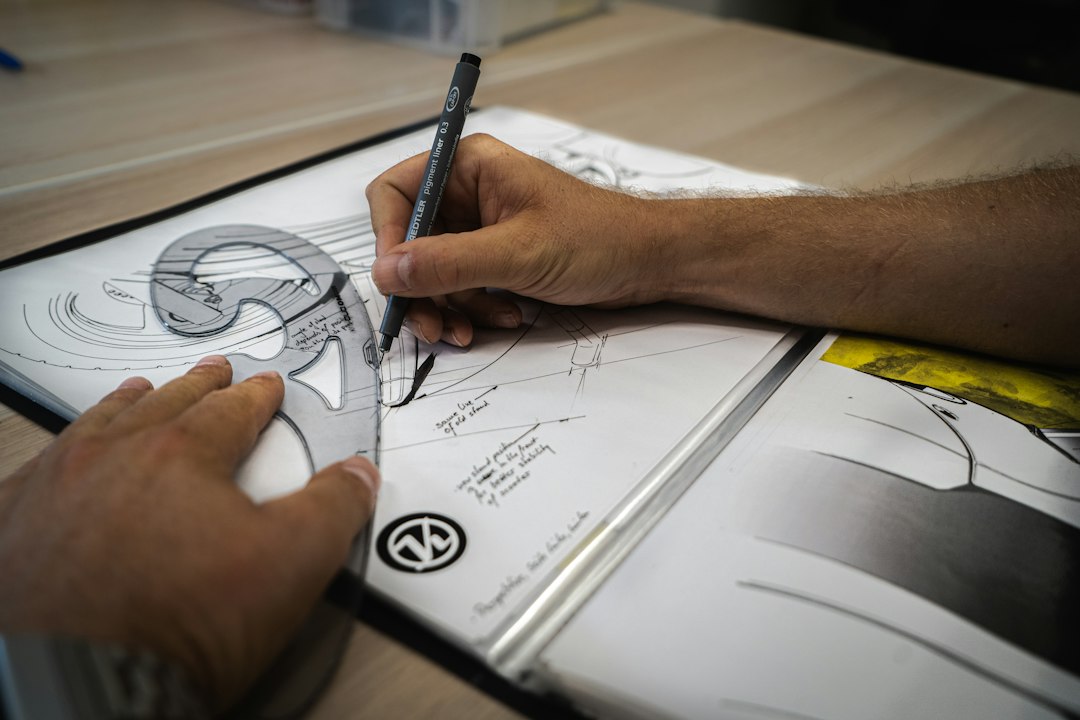
Charging by the hour or by the piece in tattooing: what works best for you
Ask in any group of tattoo artists and the same old debate comes up: some swear by a fixed price, others can't imagine charging any other way than by the hour. The reality is that there is no better model in the abstract. There is a better model for YOUR speed, YOUR style and YOUR way of working. And choosing the one that doesn't suit you is costing you money every week, even if you don't see it reflected anywhere.
We're going to break down both models with real numbers, not bar-room opinions, and finish with a comparison table so you can decide with data.
Charging by the hour: when it protects you and when it penalizes you
Charging by the hour has one advantage nobody disputes: every minute you work, you get paid for it. If you do realism (pieces with complex shading and a huge amount of detail work, where the time per square centimeter is high and unpredictable) or fine line (very thin, continuous lines that demand a steady hand and few pauses), this model saves you from giving away hours when something gets complicated.
Imagine you tattoo at €60/hour and a realism piece you quoted at 4 hours ends up taking 6 because of how difficult the skin is or details the client asks for on the fly. With an hourly rate, you get paid for those two extra hours: €360 instead of €240. With a fixed price, you give them away straight out of your own pocket.
The problem: when you're fast, you lose money
Here is the hidden side of the hourly model. If you usually finish under the estimated time because you've mastered your style, charging by the hour penalizes you. A tattoo artist who finishes a piece in 2 hours when another would take 3.5 is charging, at €60/hour, only €120 for a job that any less experienced colleague would bill at €210. Instead of rewarding you, your skill cuts your income.
This has a brutal cumulative effect at the end of the month. If you do 15 pieces a month and on each one you "lose" an hour of margin on average because of your speed, that's 15 unbilled hours a month, that is, €900 that never reaches your account even though you did the same work.
Other disadvantages of hourly pricing
- It creates anxiety for the client. Many people prefer to know the total cost before sitting down in the chair. Charging by the hour forces you to give a range ("between 4 and 6 hours"), and clients tend to anchor on the lowest figure, which leads to complaints when the session runs long.
- It makes calculating monthly income harder. If you don't know how many billable hours you'll have this week, planning the studio's fixed costs (rent, supplies, insurance) is more complicated.
- It penalizes experience. The better you get, the less time you need, and with hourly pricing that translates into less income for the same piece, exactly the opposite of what should happen with a professional's learning curve.
- It doesn't account for healing or touch-ups. If the client needs a touch-up session because the skin didn't retain the pigment well, charging by the hour for that second session often creates friction: the client feels they're paying twice for "the same thing".
Price per piece: real advantages and risks
A fixed price solves the previous problem at its root: you charge for the value of the finished piece, not for the time it takes you. If you're fast, you earn more per effective hour of work. That same 4-hour realism piece, if you close it at €250, leaves you €62.50/hour if it takes the planned 4 hours, but €125/hour if you finish it in 2.
Comparative example of monthly income
Let's assume a mid-to-high-level tattoo artist who does 16 pieces a month, half realism and half fine line, with a rate of €60/hour or a fixed price equivalent to that rate in the worst-case scenario:
- Hourly model, assuming 40% of pieces run longer than estimated and 60% are finished faster than expected: approximate monthly income of €2,800, with high variability between months.
- Per-piece model, with the same tattoo artist keeping their usual pace (fast in most cases): approximate monthly income of €3,400, with less variability because the price is already set in advance.
The difference is not trivial: it's €600 a month, about €7,200 a year, simply by choosing the model that rewards your speed instead of penalizing it.
The real risk of a fixed price: miscalculating the time
The danger of per-piece pricing is not charging too much, it's charging too little because of a miscalculation. If you quote a full sleeve at 20 hours and it ends up needing 28 because the client changes their mind halfway through or the skin doesn't heal well between sessions, you can end up working below your real minimum rate. That's why those who charge by the piece need:
- A safety margin of 15-20% on their initial estimate of hours, to absorb surprises with skin, design or an indecisive client.
- A clear contract or agreement on what happens if the client asks for substantial changes midway through the project: is the price recalculated or is it absorbed as part of the deal?
- Previous experience in that specific style. It's not the same to quote a piece in a style you've mastered for years as a new technique you're just adding: there the risk of falling short is much greater.
ROI by style: where each model performs best
- Realism: better by the hour if the tattoo artist doesn't yet have reliable data on how long a session takes on average; better by the piece once they've built up a history of at least 20-30 similar pieces that allows precise quoting.
- Fine line: almost always better by the piece, because execution speed depends a lot on steadiness and practice, and specialized tattoo artists tend to be very fast, which hourly pricing doesn't reward.
- Traditional and neo-traditional: usually works well with a per-piece price by size, since the time per tattoo is fairly predictable once you've mastered the style.
- Cover-ups and reworks: better by the hour, because the difficulty depends on the original tattoo and is almost impossible to estimate precisely before starting.
Client satisfaction and price complaints
Beyond your income, the model you choose directly affects how the client experiences the process. Clients who pay a fixed price report, based on usual experience in established studios, higher satisfaction because there are no last-minute surprises: they know exactly what they'll pay when they walk in. Clients who pay by the hour, on the other hand, are the ones who generate the most complaints when the session runs long, even if the reason is objectively beyond the tattoo artist's control (skin that bleeds more than normal, a particularly painful area that forces breaks).
This has a long-term consequence: satisfied clients with a fixed price come back sooner to continue large projects (sleeves, full backs) because they trust that the final quote will be clear from the start.
Quick comparison table
| Variable | By the hour | By the piece |
|---|---|---|
| Protects against skin/design surprises | Yes | No, unless there's a safety margin |
| Rewards the tattoo artist's speed | No | Yes |
| Ease of quoting the client | Low | High |
| Risk of price complaints | Medium-high | Low |
| Predictability of monthly income | Low | High |
| Recommended for | Realism without a track record, cover-ups | Fine line, traditional, fast tattoo artists |
So, which model should you choose?
There is no universal answer, but there is a clear criterion: if your speed is your competitive advantage, per-piece pricing pays you for it; if your style is unpredictable in execution time, hourly pricing protects you from giving work away. Many experienced tattoo artists end up using a hybrid model: a fixed price for pieces in their specialty where they already have reliable data, and an hourly price for unusual commissions, cover-ups or techniques they're still perfecting.
What matters is that the decision isn't made out of habit or because "it's always been done that way" in your studio, but based on the real numbers of your working pace. Keep a log of your times for a month, compare it against what you would have charged with the other model, and decide with data in hand.
Cover photo by Kumpan Electric on Unsplash.