Studio and team · 7 min read
How to organize booths and beds in your studio without stepping on each other's toes
September 4, 2026 · Equipo Teser

It's 11:40 in the morning. You have three artists working, two clients waiting, and someone asks out loud: "Is booth 2 free?" Nobody knows the answer for sure, because the paper where it used to be noted down got lost two weeks ago and the studio's WhatsApp group has 40 unread messages. This isn't a problem of bad luck, it's a space management problem that repeats itself in most studios with more than two workstations.
When a studio grows from one artist to three, four or more, physical space becomes as limited a resource as the calendar. And if nobody manages it with a clear system, the result is appointments that overlap in the same booth, clients standing around waiting while two artists argue about who booked first, and time lost every day on questions that shouldn't be necessary. This is where a tool like Teser makes the difference: it doesn't just manage each artist's time, it also manages the space, so you know at any moment which booth is free and which isn't.
The problem isn't the calendar, it's the space
Many studios solve the appointments side of things — which artist has a slot, at what time — but forget that every appointment also needs a physical place. And that place is limited. If you have three booths and four artists booking clients at the same time, someone is left without a spot, even if their personal calendar is perfectly organized.
This happens constantly in studios where each tattoo artist keeps their own calendar on their phone or in an individual app. Marta's calendar says she has a slot at 4:00 PM. So does Carlos's. Neither calendar knows that only one booth is left free at that time. The result: two clients booked, a single space, and an awkward negotiation at the studio door in front of both of them.
In micropigmentation the problem gets worse because sessions usually require a bed, specific lighting and sometimes equipment that isn't in every booth. It's not just "is there room?", it's "is it the right room?". A lip session needs a different setup than a brow session, and if the studio has only one bed equipped for that, that bed becomes the real bottleneck of the business, not the professional's working hours.
What it really costs not to have this under control
Do the math with real numbers. A studio with four artists that loses 15 minutes a day per artist on "let's see which booth is free", reorganizing on the fly or apologizing to a client for a delay, adds up to 60 minutes of dead time per day across the whole team. In a month of 22 working days that's 22 hours. If the average hour of work in the studio is billed at 50 euros, that's 1,100 euros a month that evaporate because the space isn't organized. And that's without counting the reputational cost: a client who stands waiting for 20 minutes because "the booth wasn't ready" doesn't come back, and probably tells people about it.
There's an additional, less obvious cost: team burnout. When two artists have to negotiate booths every day, it creates tension that has nothing to do with the artistic work. It's operational friction disguised as a bad atmosphere. I've seen studios where the relationship between partners deteriorated not because of creative differences but because every morning was a silent fight over the same workstation.
How to allocate booths and beds without relying on memory
The first step is to stop relying on memory or verbal agreements like "the big booth is mine on Tuesdays". That works until someone gets sick, changes shifts or simply forgets. You need a visual, shared system that anyone can check without asking anybody.
A practice that works well in studios with three to six artists is to assign each booth as an independent resource within the booking system, just like an artist is assigned. In other words, an appointment doesn't just have a professional and a time: it also has a specific space. If that space is occupied during that time slot, the system doesn't allow a double booking, no matter how much room the artist has in their personal calendar.
This is exactly what Teser does when you set up booths or beds as studio resources. Every time an appointment is scheduled, you choose the artist, time and space, and the system automatically checks that the space is available at that moment. If it isn't, it warns you before confirming, not after the client is already at the door. For micropigmentation studios with specific beds for each type of service, you can mark which bed supports which type of session, preventing someone from booking the only one equipped for lips when they actually need to do brows.
The second step is physical signage, which is still necessary even if the digital system is perfect. A simple sign on the door of each booth with the artist's name and the time of the next appointment keeps anyone from walking in to look for supplies just when there's a client inside. Nothing sophisticated is needed: a small whiteboard or a plastic sleeve with a sheet of paper inside that gets updated every morning with the day's schedule.
Shifts, rotation and who decides when there's a conflict
In studios where the number of artists exceeds the number of booths, you need a clear rotation rule, not a "first come, first served for the good one" system. Some formulas that work:
Fixed weekly rotation: each artist is assigned a specific booth each week, and they take turns so that nobody always ends up with the worst one. It's simple and avoids daily arguments, although it doesn't always make good use of the space if one artist has few appointments that day and another has many.
Allocation by time slot and volume: booths are distributed according to who has the most appointments on that particular day, reviewing the week's calendar on Mondays. It makes better use of the space but requires someone to manage it and communicate it in advance.
Booking by confirmed appointment order: the booth is automatically assigned to whoever confirms the appointment for that slot first, with no later negotiation. This is the fairest option when the booking system manages space as a resource, because it takes subjectivity out of the equation: it's not decided by who shouts loudest, but by who booked first.
Whatever the formula, it has to be in writing and visible to the whole team, not in the manager's head. And it has to be reviewed every few months, because what works with three artists may not work when the studio grows to six.
What to do when the studio can't handle any more
There comes a point where no allocation will do: the studio has more artists than physical spaces, period. The real options here are limited. You can stagger schedules so that not everyone works the same time slots — some in the morning, others in the afternoon — which also helps keep the studio open more hours without adding staff per booth. You can book booths in longer blocks instead of individual appointments, grouping each artist's work into full morning or afternoon slots to reduce changeovers and cleaning time between clients. And if business is going well and this happens every week, it's a clear sign that it's time to consider expanding the premises or opening a second location, because the bottleneck is no longer one of management, it's one of square meters.
The important thing is to distinguish between an organizational problem, which is solved with clear rules and a tool that controls space in real time, and a physical capacity problem, which can only be solved by investing in more space.
Don't let the space decide for you
Most studios that suffer from this chaos don't have a talent or client problem: they have a coordination problem that nobody has sat down to solve with a clear system. Setting up your booths and beds as resources within your calendar, with allocation rules visible to the whole team, prevents most of this friction before it happens.
If you want to see how this is managed without relying on memory, improvised whiteboards or overloaded WhatsApp groups, you can try Teser for free and set up your spaces as a natural part of every booking. There's no need to switch systems in the middle of peak season: you can try it calmly and see if it fits the way your team works.
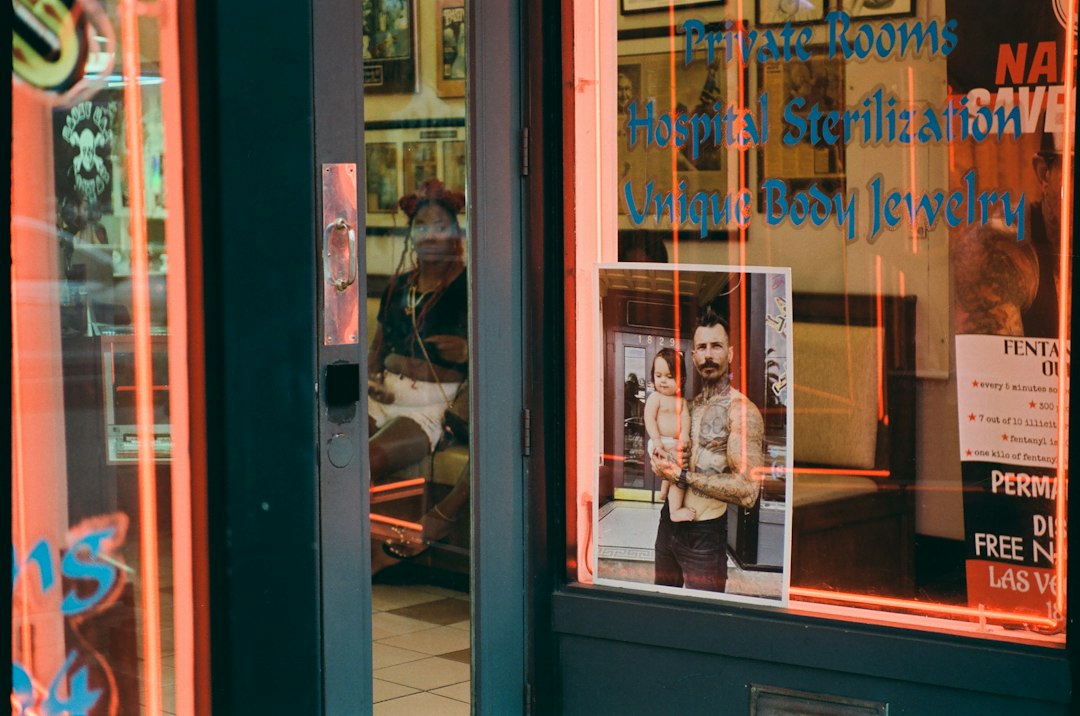
Cover photo by Gabriel Ogulu on Unsplash.