Studio and team · 8 min read
Shifts, booths and rules: coordinating a studio with several artists
September 20, 2026 · Equipo Teser

A studio with three or four artists is not a studio with one artist multiplied by four. It is a different business, with different problems: who uses the big booth on Saturday, who left the equipment without autoclave sterilization before 4 p.m., why Marta's client ran into Iván's client at the door at the same time. None of this is dramatic on its own. The problem is that it piles up, and after six months the studio owner is putting out fires instead of tattooing or running the business.
The good news is that almost all of this can be solved with written rules and a tool that enforces them on its own, without anyone having to remind everyone on WhatsApp every week. Here is what really works, not the theory from an HR textbook.
The problem isn't the artists, it's the lack of explicit rules
When a studio starts out with two people, things get sorted by talking. "Hey, are you using the booth this afternoon?" works with two. With four or five it doesn't. Each artist has their own rhythm, their own way of organizing the day, their own idea of what "being late" or "leaving the booth ready" means. Without written rules, everyone applies their own and friction is constant.
What usually fails isn't personal relationships, it's that nobody has put in writing basic things like: who has priority for booking weekend slots, how much buffer to leave between appointments to clean the booth, what happens if one artist's client runs late and overlaps the next artist's slot in the same booth, or who is responsible for restocking shared supplies (ink, needles, cling film).
A studio in Valencia with four artists told us they lost an average of 20 minutes a day among the artists arguing over who was next in the shared booth. Multiplied by five days and four people, that's almost seven hours of work lost per week. Not because of a bad relationship, but because of a lack of a system.
Shifts: fixed, rotating or by availability, but decide once
There are three shift models that work in studios with a team, and none is better than the others in the abstract: it depends on how each artist is paid and how much autonomy they have.
Fixed shifts per artist. Each one has a morning or afternoon slot assigned on a stable basis. It works well in studios with fixed rent, where each artist is responsible for filling their own schedule. The problem appears if two artists want the same weekend slot, which is when most bookings happen.
Rotating shifts. The most in-demand slots (Friday afternoon, Saturday) alternate week by week. It is fairer in the long run but requires someone to manage it and publish it in advance, because otherwise the rotation gets forgotten and the friction returns.
Shifts by actual availability. Each artist blocks in the calendar when they work that week and the system distributes bookings according to who has a free slot. It is the most flexible model but needs a shared calendar in real time, because if it depends on WhatsApp notices, someone ends up booking over a slot that no longer exists.
Whichever model you choose, the key is to write it down, put it somewhere visible and not change it every month depending on who complains loudest that week.
Spaces: booths, tables and supplies, one by one
Space conflicts are the silliest and the ones that wear people down the most. They are solved with three simple decisions that almost no studio has in writing:
- Booth assignment per appointment, not per artist. If you have two booths and four artists, the booth is assigned to the specific appointment, not "permanently" to one person. This prevents someone from reserving a booth for a two-hour session on Tuesday morning just because "I always use it."
- Mandatory cleaning buffer between appointments. A minimum of 15-20 minutes between the end of one session and the start of the next in the same booth. If this isn't in the calendar as an automatic block, someone skips it "because I was in a hurry" and the next artist starts late.
- Rotating person in charge of shared supplies. Someone has to restock ink, cling film or needles before they run out. If there isn't a clearly responsible person each week, everyone assumes someone else will do it, and the day supplies run out at 10 a.m. with a client already seated, it's too late to react.
This sounds obvious, but most studios with a team don't have it written down anywhere. It's in the owner's head, and they repeat it from memory every time someone new joins.
Shared rules that prevent misunderstandings with clients
Beyond internal logistics, there are rules that directly affect how clients perceive the studio. If each artist charges the deposit differently, cancels under different criteria or replies on WhatsApp in different tones, the client notices that "everyone does their own thing," and that takes away from the professionalism of the studio as a whole, even if the artistic work is excellent.
This doesn't mean all artists have to charge the same per hour; that depends on each one's experience. But it is worth standardizing: the minimum deposit amount across the whole studio, the cancellation policy (how many hours in advance an appointment can be rescheduled without losing the deposit), the expected response time on WhatsApp and who handles what in the informed consent form.
A studio in Bilbao with five artists solved this with a one-hour meeting where they set six shared rules in writing and put them in a shared document. Six months later, client complaints about "misunderstandings with appointments" dropped to zero. They changed nothing about the artistic work, they just standardized administrative criteria.
Where Teser fits into all this
This is where a shared calendar does the heavy lifting for you. In Teser each artist has their own calendar within the same studio, with their shifts, their booths assigned per appointment and their cleaning buffers configured as automatic blocks, so nobody can book over someone else by mistake or skip the preparation time between sessions.
You can also set shared rules at the studio level, such as the minimum deposit amount or the cancellation policy, and have them apply equally regardless of which artist manages the appointment. Each artist keeps their autonomy over prices and working style, but the administrative side no longer depends on everyone remembering the same things.
This doesn't replace the conversation of sitting down and deciding how you want to work as a team. But once it's decided, it prevents the rules from fading after three weeks because nobody has them in front of them day to day.
The team works when the rules no longer depend on anyone's memory
A studio with several artists isn't coordinated by good personal relationships alone, although they help a lot. It is coordinated with defined shifts, spaces assigned per appointment and shared rules that don't depend on someone remembering them at the right moment. The more of this is written down and automated, the less time is lost arguing about things that have nothing to do with tattooing.
If you want to see how a shared calendar with shifts, booths and per-studio rules works in practice, you can try Teser for free and set up your own system in a couple of afternoons, with no long-term commitment.
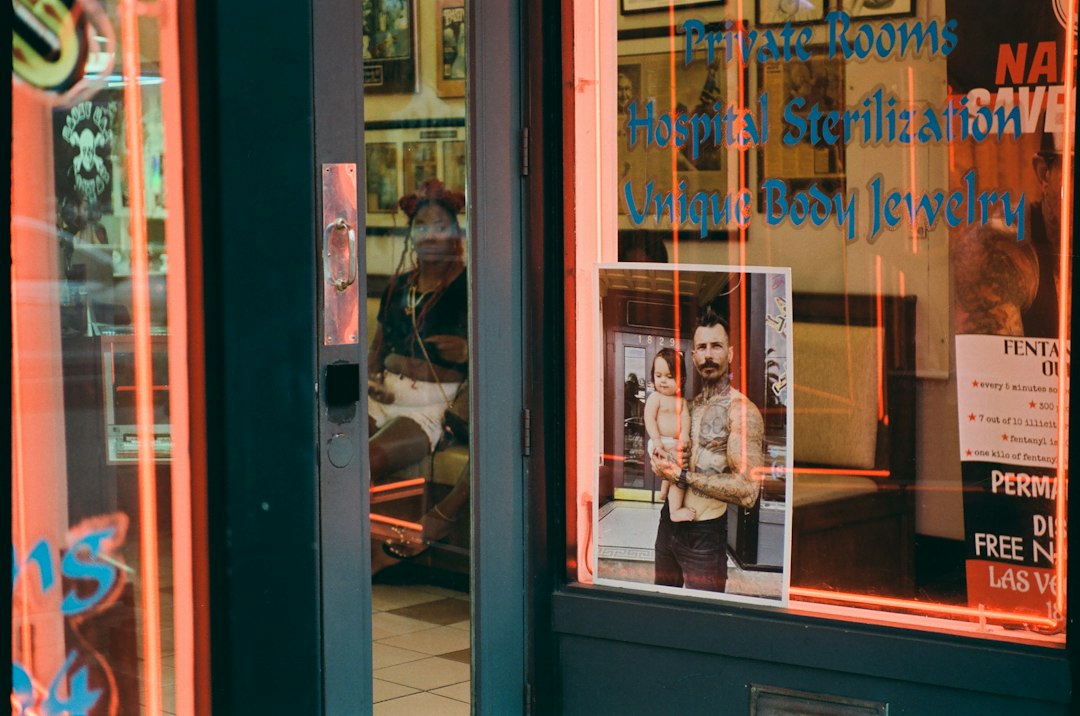
Cover photo by Dmitry Kropachev on Unsplash.