Scheduling and no-shows · 7 min read
Tattoo appointment reminders: when to send them and what to say
September 25, 2026 · Equipo Teser
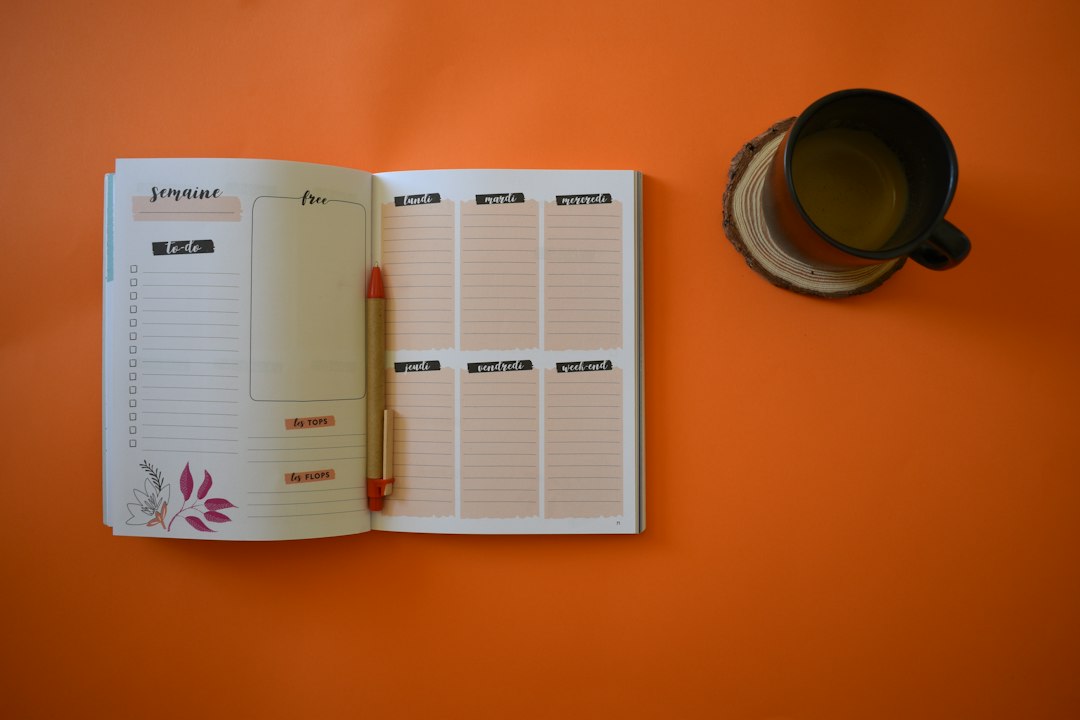
You send a reminder the day before, the client replies "ok" and still doesn't show up. Or worse: you message them three times in 48 hours and they block you because it feels like you're chasing them. Appointment reminders don't fail because they don't exist; they fail because hardly anyone thinks about how many to send, when, and with what words. It's done out of habit, not by design. And that costs you empty chair hours and clients who feel harassed in equal measure.
This article isn't about deposits or cancellation policies; you've already got those covered elsewhere. It's about one very specific thing: the sequence of reminders that reduces no-shows without wearing out your relationship with the client. And about how to automate it without living glued to your phone, which is where Teser comes in.
Why one reminder isn't enough (and three is too many)
Booking data from appointment-based services (hairdressing, physiotherapy, beauty) agree on one thing: a single reminder, sent 24 hours before, reduces no-shows but doesn't eliminate them. The reason is simple: if the client booked three weeks ago and only hears from you the day before, that slot in their schedule has already been mentally taken by something else. A work emergency, a medical appointment that overlaps, or they simply forgot it was that week.
At the other extreme, three or four reminders have the opposite effect: the client reads it as distrust. "They really don't trust that I'll show up?" And in an industry where a session can cost 300 or 600 euros, that nuance matters. Nobody wants to feel treated like a defaulter before they've paid anything.
The sequence that works best in tattoo studios is two reminders, not one or three: one 5-7 days after booking (when there's still room to reschedule if there's a problem) and another 24-48 hours before (the one that confirms real attendance). For large pieces that require several sessions, add a third notice only if more than three weeks have passed since booking, because that's when forgetting is more likely.
When to send each reminder depending on the appointment type
A one-hour session for a small flash piece is not the same as a full six-hour day for a sleeve. The timing should be adjusted:
- Appointments booked more than 15 days in advance (large pieces, very full schedule): first reminder 7 days after booking, second 48 hours before, and an optional third 24 hours before if the session involves fasting, medication to avoid, or specific skin preparation.
- Appointments booked 3-7 days in advance (the norm at most studios): one reminder 48 hours before and another the morning of the appointment, with the exact time and address if it's their first visit.
- Last-minute appointments (gaps filled that same week): a single reminder, the day before, more direct and with no filler.
The typical mistake is applying the same template to all three cases. A client who booked a month ago for a sleeve needs more context and more notices than one who booked on Tuesday for Saturday.
What to say (and what not to say) in the text
An appointment reminder is not a sales message or an interrogation. In a few lines it has to do three things: confirm the details (date, time, estimated duration), give a practical instruction if relevant (sleep well, don't come with alcohol in your system, bring something to eat if the session is long) and leave the door open to cancel or move the appointment without friction.
Example of a first reminder, at 7 days:
"Hi [name], we're confirming your appointment for the [piece] on [day] at [time] at [studio]. If you need to change it, let us know in good time so we can offer the slot to another client. If you have any questions, we're here."
Example of a second reminder, 48 hours before:
"Reminder: your appointment is this [day] at [time]. Come well rested, with no alcohol for the previous 24 hours, and with something to eat if the session lasts more than two hours. See you soon."
What's unnecessary: cascades of exclamation marks, clock emojis on every line, questions like "can you confirm you're coming?" that force the client to reply even if they had no doubts. The more often you ask for active confirmation, the more chances you give them to doubt and cancel. A reminder informs; it doesn't interrogate.
The case of micropigmentation and touch-ups
In micropigmentation the pattern changes because there are two appointments separated by weeks: the initial session and the touch-up. Here the reminder serves an extra function, which is to remind clients of specific pre-appointment care (no waxing the area, no anti-inflammatories in the days before, no sun exposure) that, if forgotten, force you to reschedule the appointment right there in the booth.
For the touch-up, which is usually booked one or two months ahead, the first reminder should go out earlier: 15 days before the date approaches, not 7. The reason is that the client has already forgotten the appointment even exists, because they booked it right after the first session, with the skin still swollen and their head somewhere else.
Automating the sequence without living on your phone
Doing this by hand (marking in the calendar when each client's reminders are due and writing them one by one) is feasible with five appointments a week. With twenty, it's a part-time job nobody pays you for. And human error is the number one reason most studios end up sending a single late reminder: it's not that they don't know two work better, it's that they don't have time to send the first one.
This is exactly what Teser solves. The studio's calendar automatically triggers reminders based on the appointment date: if you booked 20 days ahead, the notice goes out at 7 days and another at 48 hours; if it was a last-minute booking, it adjusts the sequence on its own. The texts are editable templates by appointment type (flash, long session, micropigmentation touch-up), so you never write the same message by hand again, but it doesn't sound like a generic bot either because you decide what each template says. The result isn't magic: it's that the reminder arrives when it should, without depending on you remembering on a Sunday night.
What really reduces no-shows
A well-calibrated reminder doesn't replace the deposit or a clear cancellation policy, but it fixes the most common cause of no-shows: forgetfulness, not bad faith. Two notices, well spaced and with useful content, do more than three identical, empty ones. The quantity is not the problem; the judgment is.
If right now you send a single message the day before and cross your fingers, try moving the first reminder a week earlier and check whether the number of no-shows drops over a month. And if you want to stop doing it by hand, in Teser you can try the scheduling tool with automatic reminders for free and see how much time (and how many empty chairs) you save.
Cover photo by Ionela Mat on Unsplash.