Attracting and retaining clients · 7 min read
From a One-Off Tattoo to a Regular Client: When and How to Follow Up
October 31, 2026 · Equipo Teser

Most tattoo artists lose 70-80% of their clients after the first piece. Not because the work is bad, but because nobody talks to them again until they decide, on their own, to look for another tattoo. And by then they've already looked at the Instagram profiles of three other artists.
This isn't an artistic quality problem. It's a management problem: there's no history, no follow-up, and no system that tells you when it's time to write to someone who got tattooed by you eight months ago. Let's get specific: what kind of follow-up works, when to do it, and what to say so it doesn't sound like a pushy sales pitch.
Why You're Losing the Clients You Already Have
Do the math with your own calendar. If you tattoo 150 people in a year and only 25 come back to you, you have a return rate of 16%. Winning a new client through advertising or word of mouth costs you time, photos, social media content and, often, promotional spend. Winning back someone who already trusted you and liked the result costs one well-timed message.
The usual problem is that contact with the client ends as soon as the session is over. You send the aftercare instructions, maybe a "how's it healing?" ten days later, and that's where the relationship ends until that person decides to write to you again on their own initiative. If they have no clear reason and no reminder, months go by and they end up at another studio, not out of disloyalty, but because nobody gave them a reason to come back.
Client History Is the Foundation, Not a Luxury
Without a basic record of each client, serious follow-up is impossible. We're not talking about a notebook with names and dates, but something that lets you answer questions in ten seconds like: what did I do for them?, on which area?, when did it heal?, what did they say they'd like to get next?
A useful history for this includes:
- Date and description of each piece (area, size, style, color or linework).
- Observed healing time, and whether there were any issues.
- Client comments during the session: they mention "I want to finish the arm" or "someday I'll get one dedicated to my mother." That's gold, and it gets forgotten if it isn't written down.
- Quotes that were declined or postponed due to lack of time or money, so you can pick them up again later.
In Teser, this history is linked to the client's profile along with the informed consent form and photos of the piece, so you don't have to search in four different places when you want to get back in touch. If you keep your data in an Excel sheet or in your head, it's only a matter of time before valuable information slips away.
The Three Moments When It Makes Sense to Write
It's not about bombarding people with messages. There are three moments that make real sense, and outside of them, contact usually feels forced.
At 3-4 weeks, when the piece has fully healed. Here the goal isn't to sell anything, it's to close the loop: ask how it turned out, request a photo in good light for your portfolio, and thank them for their trust. This message alone multiplies the chances that they'll recommend you, because it shows you care about the final result, not just getting paid.
At 4-6 months, if you noticed they wanted to continue something. If during the session they mentioned wanting to complete the sleeve, add shading, or get a piece that matches the one they already have, that's the moment to bring it up again. Not with a generic "how's everything?", but with something specific: "I remembered you wanted to keep going with the arm when you had a few free weeks, if you feel like it we can look at dates."
On the anniversary of the piece or on dates that are meaningful to that person. A year after a commemorative tattoo (a date, a name, a tribute) is a good time for a short message, with no need to sell anything directly. Sometimes that simple gesture reignites a conversation that ends in a new appointment a few weeks later.
How to Bring Up the Next Piece Without Sounding Like a Salesperson
This is where most tattoo artists slip up: they go from appropriate follow-up to a message that sounds like a shopping mall promotion. "We have a slot this week, grab it!" doesn't work with someone who got tattooed by you months ago and with whom you have some kind of relationship.
What works is referencing something specific from their experience:
"Hi Marta, I saw a dotwork piece that reminded me of what you told me you wanted for your ankle. If you're still interested, let me know and we can go over the design calmly."
"Juan, it's been a year since your grandfather's tattoo. If at some point you want to continue with the arm, I'm here."
This type of message requires you to have the specific detail written down somewhere accessible. Without a history, personalization is impossible, and a generic "reminder" message has a ridiculous response rate compared to one that shows you remember the actual conversation.
Automate the Alert, Not the Message
Here's the practical key: you don't need to remember to manually check who hasn't come back in six months. That's unsustainable if you have a busy calendar. What you can automate is the "it's time to write to this person" alert, leaving the content of the message in your hands, because that's where the personal touch that makes the difference lies.
In Teser you can set a follow-up date or a note like "pick up again in March" on each client's profile, and the system alerts you when the time comes, without you having to check client by client. If you want to try how this history and alerts workflow looks applied to your real calendar, you can sign up and see if it fits the way you work before adding it to your daily routine.
The difference between a studio that constantly lives off new clients and one that has a client base that returns every year isn't artistic talent. It's whether someone, at some point, took the trouble to write down what the client said and reached out when the time was right.
What Changes When This Works
A repeat client doesn't just pay for another session. They bring more qualified referrals (because they already know your work and recommend it with real knowledge, not just from a photo), negotiate the price less because they trust the value, and tend to accept waiting times better because they understand how you work.
If you average it out, a studio that goes from 15% to 30% repeat clients hasn't doubled its advertising or lowered its prices. It has done something much cheaper: it has stopped losing touch with the people who already trusted it. Follow-up isn't a separate marketing task, it's part of the craft, just like the informed consent form or the healing instructions. The difference is that nobody teaches it to you in training, and you learn it by losing clients who had no reason not to come back.
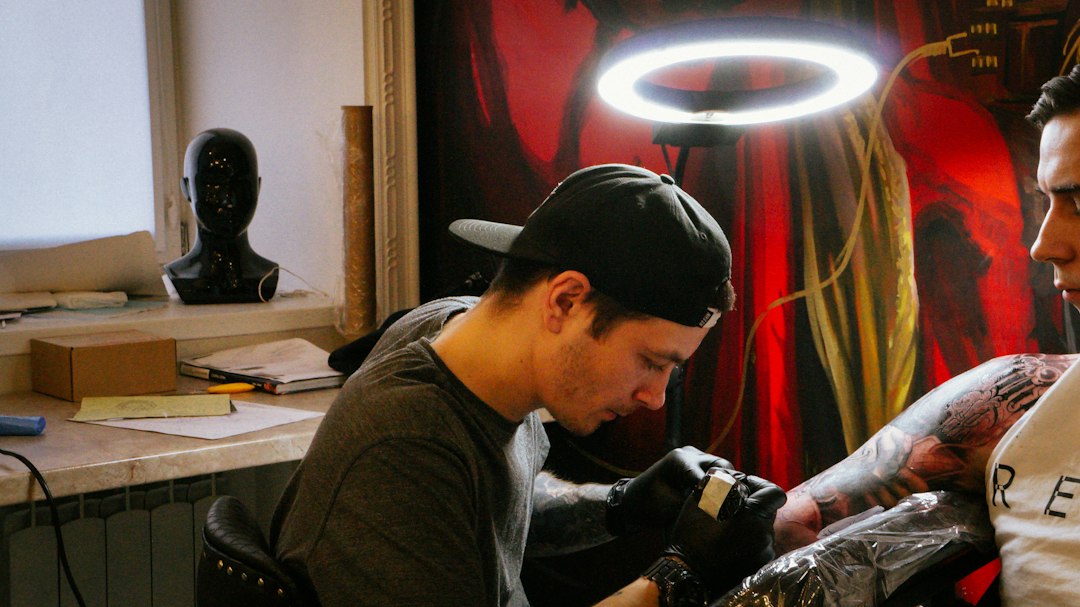
Cover photo by Rendy Novantino on Unsplash.