Pricing and quotes · 7 min read
How to raise your tattoo prices without losing clients
August 15, 2026 · Equipo Teser

You've been charging the same for two years. Materials have gone up, the studio rent has gone up, your technique has improved, and you have a three-week waiting list. And you're still charging 80 euros an hour because you're afraid to send the message that says "from now on, X". That fear has a name: losing clients. But keeping prices from two years ago has a cost that doesn't show up in your calendar, it shows up in your bank account.
The signs you should have raised your prices months ago
There are objective indicators, not gut feelings. If you have a waiting list of more than three weeks for standard work, your price is below real demand: the market is telling you it can pay more. If your hourly studio cost (rent, electricity, supplies, insurance) has gone up 15-20% in the last year and your rate has stayed the same, you're working with a smaller margin than before even if you bill the same amount. If you compare your portfolio with that of tattoo artists at your technical level in your city and you charge 30% less, you're not being "accessible", you're giving your work away.
Another less obvious sign: if it's getting harder and harder to say your price out loud without feeling you have to justify it with an apology ("it's just that it takes me a long time", "it's just that I use such-and-such material"), it's because deep down you already know you should charge more but you haven't given yourself permission.
What is not a valid sign: that "everyone is raising their prices". Raising prices just to follow the crowd without your own data is as bad a criterion as never raising them.
How much to raise: the figure that works and the one that breaks the relationship
A 10-15% increase is absorbed without friction in most cases. A client who already trusts you won't leave over 15 euros more per hour. An increase of 25% or more needs a real justification: a step up in studio level, a new specialization, a jump in portfolio category. Without that context, such a big jump does cause you to lose regular clients, especially those who have been with you since your lower prices.
What never works is raising prices in small increments every two months. It gives the impression that you don't have a fixed rate and are improvising, and that undermines trust more than a clear, well-spaced increase.
An example with numbers: if you charge €70/hour and want to move to €85/hour, that's 21%. It's in the middle zone: it can be done, but it's best to accompany it with something tangible (new equipment, a new location, a certified specialization) so it doesn't look like a whim.
A reasonable frequency is one increase per year, reviewed in January or on the anniversary of the studio's opening. Raising prices every six months gives an impression of instability; not raising them for two years leaves you irremediably below market.
Segment: not all your clients react the same way to an increase
Here is the mistake almost everyone makes: treating the increase as a single announcement for your entire client base. It doesn't work that way.
Your recurring clients (those who have had two, three, five sessions with you) have a relationship of trust that cushions any reasonable increase. They should be told in advance and personally, not with an Instagram post.
New clients who haven't booked yet simply come in at the new rate, with no explanation or apology. For them the increase doesn't exist; it's just the price.
Clients with an ongoing project (a half-finished sleeve, sessions already agreed) are the delicate case. The professional thing here is to respect the agreed price for the remaining sessions of the project already started, and apply the new rate from the next project onward. Changing the price halfway through a sleeve creates the feeling that the rules change as you go, and that does break trust, even if the increase itself was fair.
How to communicate it without sounding like an excuse or an apology
The most common mistake is writing a long message explaining why you're raising prices, as if you had to convince the client that you have the right to do so. You don't need to. You're a professional reviewing your rates, not an employee asking for forgiveness.
What works is giving advance notice (at least two to three weeks), being brief, and not opening a debate. There's no need to detail every cost that has gone up; one sentence of context is enough.
Message script for recurring clients (WhatsApp or email):
"Hi [name], I'm writing because from [date] I'm updating my rates to [new price] per hour/session. I wanted to let you know in advance because I know we have [project/next session] pending. If you'd like to book an appointment before that date at the current price, let me know and I'll reserve a slot for you. If you have any questions, I'm here."
This message works because it gives a specific date, doesn't apologize, offers a reasonable way out (booking earlier) without giving away the increase indefinitely, and closes without opening a debate about whether it's justified or not.
For clients with an ongoing project, add a clarifying line:
"The remaining sessions of your current project will stay at the price we had already agreed. The new rate applies to new work from that date onward."
This avoids the feeling that you're raising the price of something they've already started, which is the most frequent and most justified complaint when it's handled poorly.
If someone asks why you're raising prices, a short answer without excessive justification works better than a defensive paragraph: "I review my rates once a year, like any business does." Full stop. Nothing more is needed.
What to do if a client leaves because of the increase
It's going to happen, and you have to accept it without dramatizing. If someone leaves over a well-communicated 10-15% increase, they were probably a client who was shopping on price, not for your work. That type of client tends to leave sooner or later as soon as they find something cheaper, no matter how much your rate goes up.
What shouldn't happen is that losing one or two clients makes you backtrack and offer individual discounts "so as not to lose them". That undermines the increase for everyone else as soon as word gets out, because in this trade people talk. If you make an exception, make it explicit and one-off, and make it clear that it's an exception, not a renegotiation of your rate.
One way to measure whether the increase was the right call: if after three months your calendar is still full and your revenue has gone up in the same proportion as your rate, it worked. If your calendar empties noticeably, the problem isn't that you raised prices, it's that the increase was larger than what your local market could absorb, and you should review the figure, not the fact that you raised prices.
Conclusion
Raising prices is not a negotiation with the client, it's a business decision that you then communicate. When you approach it the other way around —asking permission, apologizing, opening a debate— that's when it becomes a problem. Do it with a clear date, differentiated treatment depending on the type of client, and without over-explaining.
If, besides the price increase, you find it hard to keep track of which client has which agreed rate and since when, a system like Teser lets you keep that history without relying on memory or scattered WhatsApp conversations.
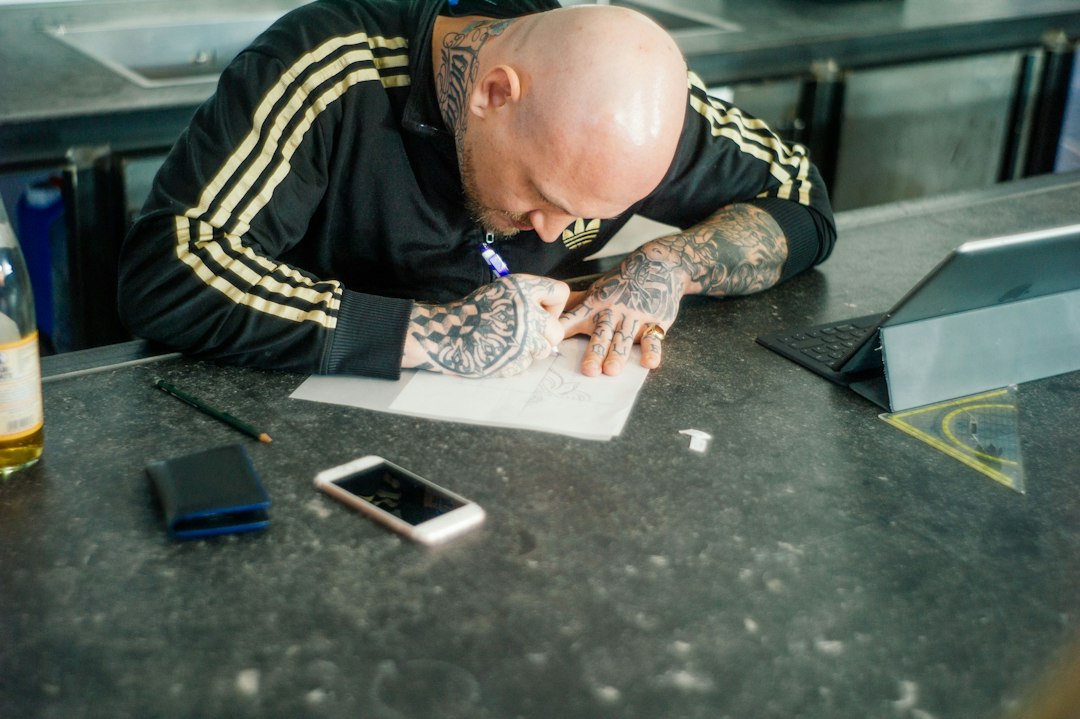
Cover photo by Kwami Fattah Al Sissi on Unsplash.