Attracting and retaining clients · 8 min read
From a One-Off Tattoo to a Regular Client: Follow-Up and Timing
August 20, 2026 · Equipo Teser
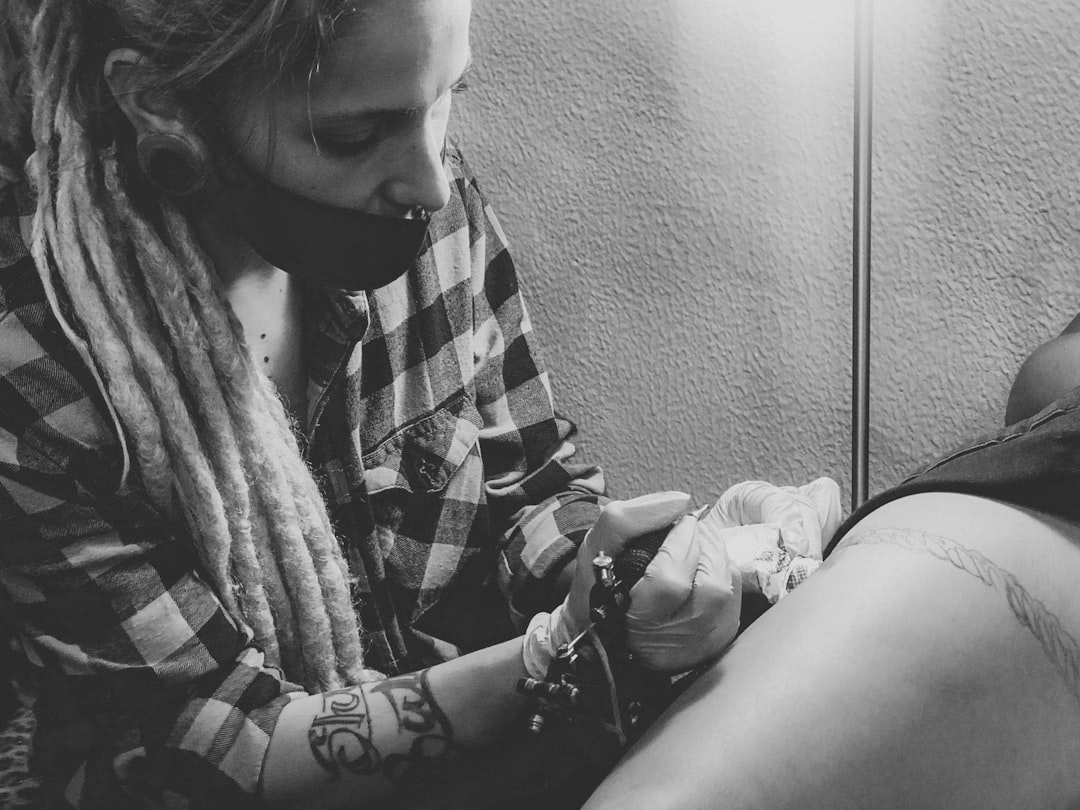
Most tattoo artists know this scene: a new client walks in, gets a 200-euro piece, leaves absolutely thrilled, writes a five-star review... and never shows up again. Not because they went to another studio, but because nobody gave them a reason or a moment to come back. Winning a client costs time and money in advertising, consultations and quotes. Losing them after a single session is throwing that investment away.
The difference between a studio that earns in streaks and one that earns steadily isn't tattooing better. It's managing what happens after the client gets up from the table.
Why you lose the client who already trusted you
A client who has already been tattooed by you has cleared the hardest barrier: trust. They already know how you work, they've seen your hygiene, your manner, your healed results. Convincing them to get a second tattoo is infinitely easier than convincing someone new. And yet, most studios treat that client exactly like someone they've never met: no healing follow-up, no contact afterwards, no proposal for continuing the work.
The problem isn't attitude, it's systems. Without an accessible client record, without a history of what they got tattooed, on which area, in what style and how long ago, it's impossible to know who to contact and when. The tattoo artist remembers two or three regular clients from memory, but the rest get diluted among hundreds of contacts on Instagram and WhatsApp. That client who got a forearm tattoo eight months ago and was thinking about completing it into a full sleeve simply gets lost in the noise.
Post-session follow-up isn't optional, it's profitability
There's a huge difference between sending a generic "How's the healing going?" and doing real follow-up. Useful follow-up has three moments:
- At 48-72 hours: a short message asking about the area and whether they have any questions about aftercare. This reduces complications, avoids panicked messages at 11 pm and shows professionalism.
- At 3-4 weeks: once the tattoo has healed, ask for a photo for your portfolio and, while you're at it, ask how it looks now that the skin has settled. It's the perfect moment to drop a hint about whether they had in mind continuing the piece or getting something else done.
- At 3-6 months: if in the initial consultation the client mentioned a sleeve, a chest piece or a second session, this is the time to pick that conversation back up, not before or after.
This sounds obvious put like that, but in practice it's impossible to sustain by hand when you take on 15-20 new clients a month. Nobody remembers to send the week-three message to someone who got tattooed on some random Tuesday a month ago. This is where a centralized client history, like the one Teser provides, makes the difference: each record stores the session date, the tattooed area, the consultation notes and an alert to tell you when follow-up is due. It doesn't depend on anyone's memory.
Client history is your best sales tool
A well-kept history isn't just a list of names and phone numbers. It's information that tells you exactly what to offer and when. If a client's record says they mentioned "I want to continue with the arm next year" or "I'd like to cover my shoulder too", that detail is worth more than any ad campaign.
Think about the difference between these two scenarios. In the first, the tattoo artist vaguely remembers a client and sends them a generic message six months later: "Hi! How are you, do you have anything in mind?". Response rate: low, because it looks like spam. In the second, the message says: "Hi Marta, it's been exactly six months since we did your forearm and you told me you wanted to continue towards the elbow once it had fully settled. If you still like the idea, I have an opening next week and we can look at the design". That second version isn't aggressive selling: it's service. And it converts far better because it shows you remember that specific person, rather than treating them as just another contact in your address book.
This kind of personalized follow-up is impossible to scale with scattered notes on your phone or Post-its on the counter. With a system like Teser, each client has a record with their session history, consultation notes and suggested next contact date, so in two minutes you can check who has a second session waiting to be proposed this week.
When is the exact moment to propose the next tattoo
Proposing too soon burns out the client; doing it too late means they've already been tattooed at another studio. Timing depends on the type of piece and on what the client themselves said during the consultation, but there are some benchmarks that work in most cases:
- Small or impulse pieces (lettering, symbols, fine lines): the client usually comes back between 2 and 4 months later if they enjoyed the experience. It's the profile that returns fastest if given a reason.
- Medium pieces (forearm, calf, 2-3 hour pieces): between 4 and 8 months, especially if you already talked about extending or completing them.
- Large projects (sleeves, chest pieces, full backs): here the follow-up isn't about
Cover photo by Yohann LIBOT on Unsplash.