Attracting and retaining clients · 8 min read
From One-Off Tattoo to Regular Client: Follow-Up and Timing
September 29, 2026 · Equipo Teser
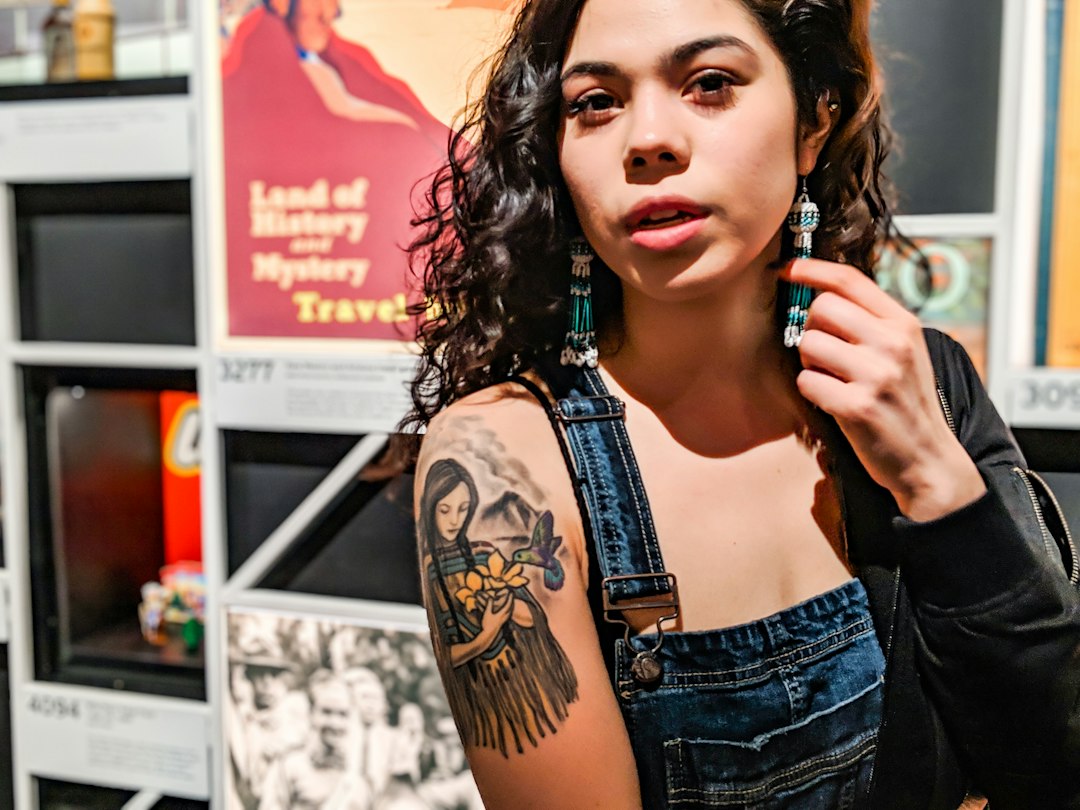
Most tattoo artists have a schedule full of people who came in once. You know them, you tattooed them well, the client left happy, left a five-star review... and you've never heard from them again. Not because they didn't want another tattoo, but because nobody gave them a nudge at the right moment. That isn't bad luck, it's a lack of a system. And a repeat client is worth much more than a new one: there's nothing to convince them of, they already know your work, how you treat people and your prices.
The difference between a studio that lives off constantly attracting new people and one with a stable schedule comes down to a boring detail: post-sale follow-up. It's not magic, it's keeping a history and knowing when to write.
Why you lose the client after the first tattoo
The typical process is: the client books, comes in, gets tattooed, pays and leaves with the aftercare instructions. End of the relationship, at least from the studio's side. Meanwhile, the client carries on with their life: the tattoo heals, they see the result over time, at some point they think "I'd like another one", and that's when they decide where to go. If at that moment your name isn't in their head, they'll look at Instagram, ask a friend, search for "tattoo artist near me". They might come back to you, but it's down to chance.
The usual mistake is thinking that acquisition marketing (Instagram, referrals, advertising) is all that matters. But a client who has already been tattooed by you is much cheaper to win back than a new one. There's no acquisition cost: you just have to be present when they decide on the next step.
The problem is that without a system, that follow-up depends on you remembering, with a full schedule and a hundred WhatsApp conversations open. And you're not going to remember the client who got a phoenix tattooed eight months ago.
What history to keep for each client (and what's useless)
You don't need a complex CRM, but you do need something more than loose photos on your phone. For each client it's worth having:
- What they got tattooed, size and placement, with a photo of the healed result (not just the day of the session).
- Date of the tattoo and whether it was their first time with you or they had been before.
- Whether they mentioned wanting another one, where and of what. This happens more than you think: during the session itself, many people say "I'll get the next one on my arm" or "when I save up I'll get my whole back tattooed". That sentence is gold and is usually forgotten as soon as the appointment ends.
- How they reacted to the session: whether they handled it well, whether it was a long piece that was hard on them, whether they prefer shorter sessions. It helps you plan the next appointment with no surprises.
- The approximate budget they had in mind and whether there was any friction over the price.
This history is worthless if it's scattered across WhatsApp, phone notes and memory. In Teser, each client has a profile with session history, photos and notes, so when you decide to get back in touch you don't start from scratch: in two seconds you see what was done, when, and what they said about the future.
The right moment to propose the next tattoo
Here is the mistake that costs the most money: writing too soon or too late.
Too soon is contacting them a week after the session with a "when are you getting the next one?". It sounds like a forced sale, and the skin hasn't even fully healed.
Too late is never getting in touch and waiting for the client to write first, which, as we've seen, doesn't always happen.
There are three moments that work well in practice:
- At 3-4 weeks, when the tattoo has already healed. A simple message asking how it turned out, asking for a photo for their profile (or for social media, with permission). It's not a sales pitch, it's real post-sale care. But it opens the door to a conversation.
- At 4-6 months, if during the session they mentioned a second piece or an extension. A message recalling that conversation: "A few months ago we talked about continuing the sleeve down the forearm, if you feel like it I now have a slot for spring". You can only do this if you have the note saved.
- On dates that matter to the client, if you know them: the tattoo's anniversary, their birthday, or simply a one-off campaign when your schedule is slow, where you notify previous clients before strangers.
What doesn't work is a generic "we have a slot this week" message sent to the entire database with no context. People notice, and in an industry where trust in something on your skin for life matters a lot, being generic counts against you.
Automating follow-up without it sounding automated
This is where most people give up: doing this follow-up by hand, client by client, is unworkable if you have more than 30 or 40 clients in your database. But automating it badly (identical, unpersonalized messages) is worse than doing nothing.
The realistic solution is a system that tells you when to reach out to each client, while you write the message yourself, with the specific detail about that person. With Teser you can schedule follow-up reminders linked to the date of each session, so the system itself alerts you: "today it's time to write to so-and-so, it's been 4 weeks since their tattoo" or "5 months ago they mentioned continuing the piece". You decide the message, but you don't depend on remembering.
This changes the real volume of recurring work: a studio with 300 clients in its database and a well-built follow-up system can generate several appointments a week from people who already know you alone, without spending a euro on advertising or depending on Instagram working that month.
What this is worth in euros, not in theory
Let's do some simple math. If you have 200 clients who have been tattooed by you in the last two years and only 15% come back on their own initiative with no follow-up, that's 30 repeat clients a year. If with a proper follow-up system that percentage rises to 30%, that's 60. With an average ticket of 250 euros per session, the difference is 7,500 euros a year that previously was left on the table for not writing a message at the right time.
And that's without counting that a repeat client usually also brings referrals, because they've repeated the experience and are more confident speaking well of you.
Follow-up isn't selling, it's remembering
What separates a follow-up message that works from one that feels awkward isn't frequency, it's whether it shows that you remember that specific person. "How's your tattoo doing?" with a reference photo and a real detail from the previous conversation doesn't sell anything: it simply reminds them that you exist and that you're still there when they decide on the next step.
This doesn't replace attracting new clients, but it is the cheapest and most overlooked part of the business. You don't need more followers on Instagram to earn more this quarter: you need to talk again to the people who already trusted you once and who, if the timing is right, will do so again.