Attracting and retaining clients · 8 min read
Instagram for tattoo artists: what to post and how often
September 5, 2026 · Equipo Teser
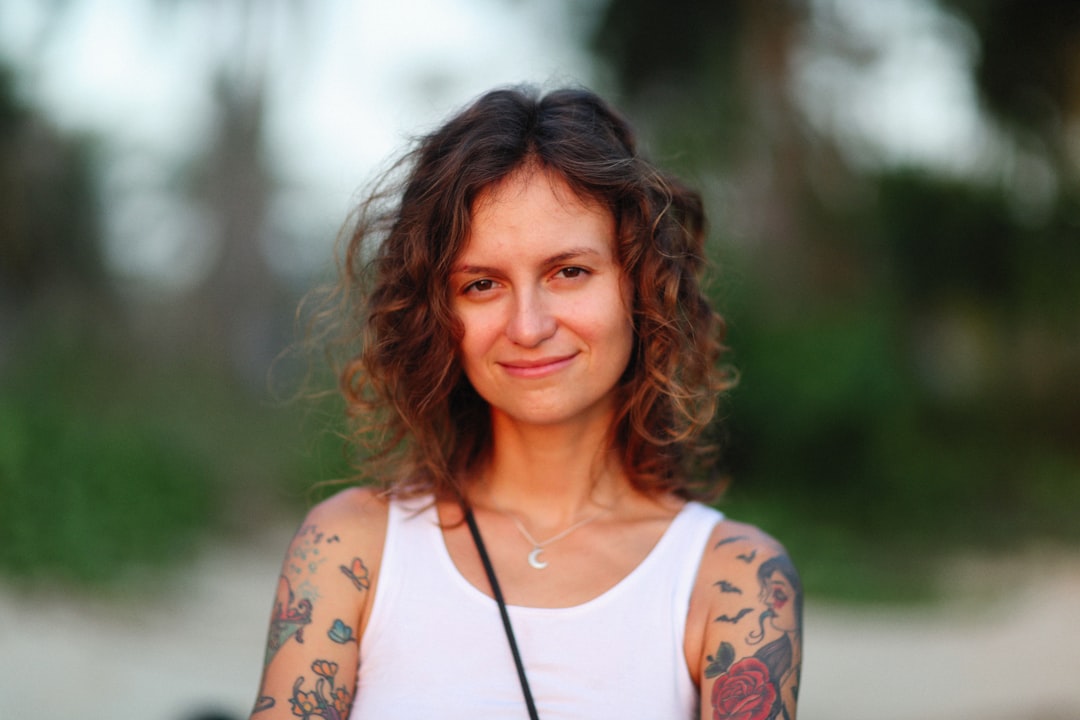
If you run a studio or work on your own, you already know that Instagram is not optional. What is less clear is how much time it is worth putting into it before it stops being profitable and starts stealing hours from your machine. Here is the straight answer: not everything you post brings in clients, and posting more doesn't mean selling more.
What really converts: the photo is not the winning format
For years the standard was to upload a photo of the finished tattoo, good lighting, good framing, hashtags. It still works to show your level, but it is not what brings new messages to your DMs. The data Meta itself shares and what you see on the accounts of studios with a full calendar point to something else: short video (reels) generates 3 to 5 times more reach than a static photo, and that reach is what gets to people who don't follow you yet.
That doesn't mean you should abandon photos. It means that if you have to choose where to invest your limited time, the reel wins. A 15-20 second reel showing the process (preparing the stencil, the first line pass, the final result) works better than the finished piece on its own, because it hooks people through curiosity before the viewer decides whether they like the design.
The formats that really move the needle in a tattoo studio are three:
- Process reels: from sketch to result, with trending music or without it if you prefer the sound of the machine to be heard.
- Before/after with a transition: untattooed skin that turns into a finished piece. It is the oldest hook in the world and it still works because it appeals to surprise.
- Day-to-day stories: you're not selling tattoos, you're selling confidence that you know what you're doing. A nervous client who sees how you treat another nervous client in your stories lowers their own anxiety before booking.
The traditional photo still has its place: the feed as a permanent portfolio. When someone finds you through a reel, they go to your profile to look at the grid before messaging you. If the grid is weak, you lose that conversion even if the reel has 50,000 views.
How much time to give it without it eating your day
Here is the mistake most people make: treating Instagram as a separate job that demands hours of editing, scripting and trend research. For a tattoo artist who already has a busy calendar, this is unsustainable and also counterproductive, because every hour on Instagram is an hour that doesn't bill.
A reasonable split, based on studios that handle this part well without spending half a day on it:
- 15-20 minutes a day recording material while you work (a phone on a cheap tripod will do).
- 30-40 minutes, two or three times a week, to edit and post.
- Not a single hour spent "thinking up content" from scratch. The content comes from the work you already do; it isn't invented separately.
If you find yourself planning photo shoots or buying props for Instagram, you've strayed from the goal. The content that works best in this industry is what documents what you were going to do anyway: the 11 a.m. session, the afternoon cover-up, the touch-up for an old client.
A real calculation: if you spend 5 hours a week on Instagram (recording + editing + posting + replying to messages) and that brings you 2-3 new bookings a month from clients who weren't coming through word of mouth, the return depends on your average price per session. With a ticket of €150-200, those 2-3 bookings more than cover the hours invested. If you've been posting daily for six months and haven't seen a single new inquiry from Instagram, the problem isn't frequency: it's the format or the niche you're showing.
How often to post: the frequency that feeds the algorithm without draining you
The figure that circulates in generic marketing (post every day) isn't designed for a craft where each piece takes hours and there isn't always something new to show. For a tattoo studio, the frequency that works without exhausting the artist is:
- 3-4 feed posts per week (a mix of reels and photos).
- Stories almost every day, because they take seconds and keep the account "alive" for the algorithm without requiring production.
- 1-2 reels per week with reach in mind (not just documenting, but thinking about the hook).
Posting every day with weak content is worse than posting three times a week with good content. In 2026 the Instagram algorithm still rewards watch time and early interactions, not the quantity of accumulated posts. A mediocre reel posted seven times a week performs worse than two well-crafted reels with a real hook.
The content that drives clients away without you noticing
There are two mistakes that keep showing up on the accounts of tattoo artists with strong technical skills but few bookings from social media:
Showing only the perfect piece and nothing of the human side of the process. A feed that looks like a gallery catalogue impresses other tattoo artists, but intimidates the client who has never been tattooed and doesn't know what to expect from the appointment. That client needs to see that you will explain the design to them, that the session is relaxed, and that you answer questions before picking up the machine.
Not replying to comments or DMs as quickly as you would to a WhatsApp. If someone comments "price?" on a photo and waits three days for an answer, that person has already booked at another studio. Instagram generates the inquiry, but the conversion is decided in the first few hours.
The studio that shows very different styles without making clear what its specialty is also falls short. A feed with realism, fine line and old school mixed together without any criteria confuses the algorithm (which doesn't know who to show you to) and the potential client (who doesn't know whether you are "their" tattoo artist). If you do a bit of everything, that's fine, but organize your feed or highlights by style so that anyone looking for something specific can find it quickly.
What to measure to know whether it's really working
Forget likes as a success metric. What matters for a business is:
- Direct messages that mention a specific post. If nobody writes "I saw your reel of...", that piece of content isn't doing its commercial job, no matter how much reach it had.
- Stated source of the booking. When a new client books, ask how they found you. Write it down. In two months you'll have real data on what proportion of your calendar comes from Instagram versus word of mouth or Google.
- Saves, not likes. Instagram weighs saves as a signal of real interest (someone considering getting that tattooed), much more than the impulsive like.
If after three months of keeping a record you see that Instagram contributes less than 10% of your bookings, don't abandon the account (it is still your shop window when someone looks you up by referral), but stop investing production hours that aren't translating into calendar slots.
Conclusion
Instagram for a tattoo artist is not a second job: it is documenting what you already do, with a minimum of thought about format and frequency, and measuring whether it really brings in new people. If the content is taking more time from you than it gives back in bookings, something is miscalibrated; it's not a lack of effort. And the time you recover from the marketing side you can invest where it really shows: in managing your calendar and the clients you already have, something tools like Teser are designed for.
Cover photo by Alexey Demidov on Unsplash.