Attracting and retaining clients · 8 min read
Referral Program for Tattoo Studios: Getting People to Actually Use It
October 15, 2026 · Equipo Teser
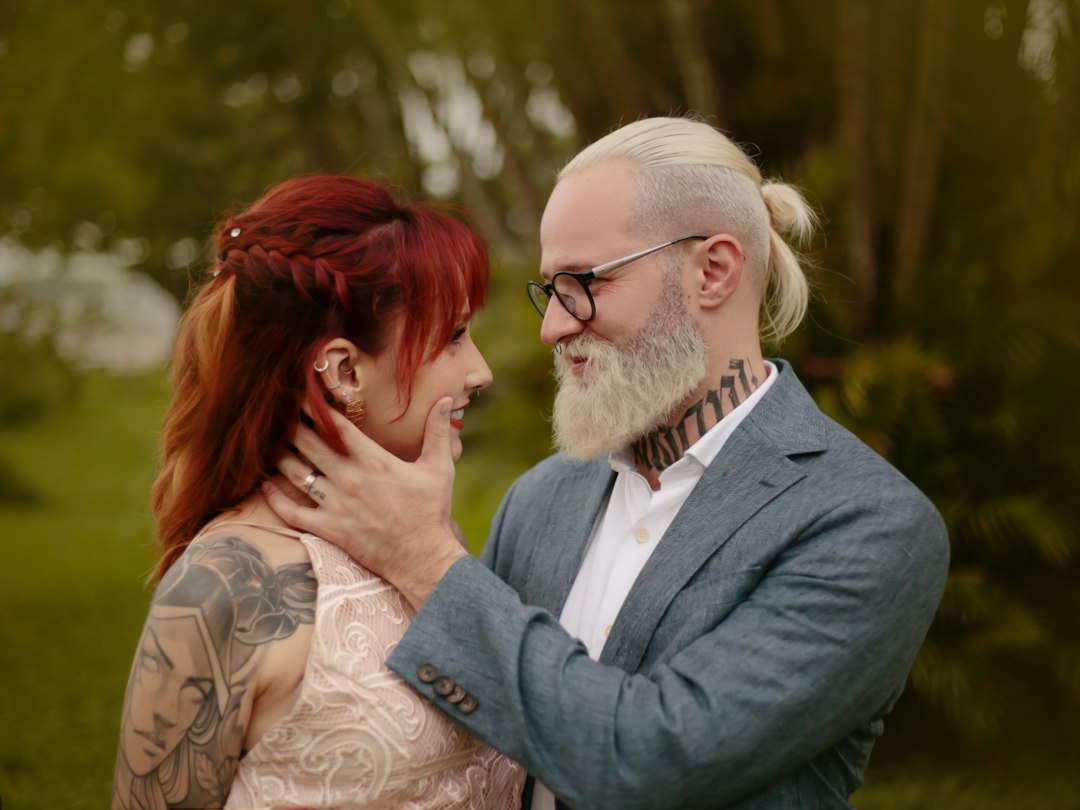
You have happy clients. They post the photo, tag you, tell you "I'm going to recommend you to everyone." And then nothing happens. That happy client doesn't bring anyone in, because recommending takes an effort that nobody makes for free or without you making it easy. Word of mouth doesn't fail because of a lack of satisfied clients: it fails because there's no system that turns that satisfaction into a concrete action. Here's how to set one up so it really works, and isn't just a forgotten poster on the studio wall.
Why your "word of mouth" isn't working even if you think it is
If you ask any tattoo artist where their clients come from, half will say "word of mouth." But if you look at the real numbers, most of those clients arrive because someone saw a photo on Instagram, not because a friend actively passed along your contact details. Spontaneous recommendation exists, but it's slow and depends on the client remembering you at the exact moment someone around them says "I want to get a tattoo."
The problem has three causes that repeat in almost every studio:
- There's no incentive, so recommending is a favor with no reward, and people don't do many favors systematically.
- There's no way to track who brought whom, so you don't even know a new client came through a recommendation, and you can't thank the person who sent them.
- You don't ask at the right moment. A client's peak satisfaction is right after the session, when they see the healed tattoo and receive the aftercare sign-off. If you give them nothing to do at that moment, the window closes.
A referral program is not a generic discount. It's a mechanism with three pieces: a clear offer, a tracking channel and an exact moment to trigger it.
The incentive: what to offer without devaluing your work
This is where most studios go wrong: they offer 20% off to the person who recommends and another 20% to the person recommended, and end up giving away price on two tattoos to win one new client. That's not a program, it's a margin cut in disguise.
What works best in small studios is an asymmetric incentive that isn't always monetary:
- A fixed discount in euros, not a percentage. A 15-euro discount on the referring client's next session is cheaper for you than 15% if you work with pieces of 150-300 euros, and the client perceives it just as well.
- The referred client doesn't need a discount. Plenty of people come on a recommendation anyway without a price cut, because trust has already been established by the person who sent them. If you give a discount to both, you're giving away margin unnecessarily.
- Cumulative, not single-use. If each referral adds 10 euros toward their next piece, the client has a reason to bring more than one person, not just the first one who comes to mind.
- A non-discount alternative: a free touch-up session, a free flash design on their next visit, or priority in the schedule when it's very full. For clients who won't be back in the short term, money doesn't motivate as much as preferential treatment.
The key is that the incentive is bigger for the person recommending than for the person arriving, because the effort of recommending —giving your name, defending you if people ask, putting their own judgment on the line— is made by someone who already trusts you.
The timing: when you ask and how you say it
The most common mistake is putting up a poster in the studio saying "bring a friend and you both get 10% off" and hoping someone reads it and remembers it three weeks later. It doesn't work because it depends on the client's memory at a moment with no emotional charge.
The three moments that really convert are:
- Right at the end of the session, while you explain the aftercare. It's the peak of satisfaction: the client has just seen the result and the adrenaline is still high. A phrase like "if a friend asks you where you got it done, tell them I'll give you X euros off your next piece if they come on your behalf" takes ten seconds and sticks.
- In the follow-up message at 15-20 days, when the tattoo has healed and the client is showing it off without worrying about infection or it looking bad. That's when they post the most photos and get the most questions from the people around them.
- When they come back for a second piece. If they already trust you enough to come back, it's the moment to remind them they have an accumulated discount waiting if they bring someone.
You don't need a long message. What you need is for that message to go out every time, at the same moment, with the same words, for every client. And that's where most studios lose the thread: they say it once in passing and forget to repeat it with the next client.
How to know who is really bringing you clients
Without tracking, the program fades out within two weeks. You need a simple way to record who recommended whom, because if you don't know, you can't apply the discount or spot who your best ambassador is.
The most basic option: a code or name that the new client mentions when booking ("I'm here on behalf of Marta"). The most reliable option: always ask it on the first-visit form, with a fixed "How did you hear about us?" field where "recommendation from [name]" is just another option.
In Teser, that information is saved in the new client's record and linked to the client who recommended them. That way you can see, after a few months, who has brought you three or four clients without you having asked them more than once, and automatically apply the accumulated discount at their next appointment without having to keep count by hand in a notebook or in your head. You can also send the 15-day follow-up message automatically, with the mention of the program included, so it doesn't depend on you remembering to write it client by client.
What to measure to know if the program works
A referral program that isn't reviewed is just another poster. Every two or three months it's worth looking at three numbers:
- How many new clients came through a recommendation compared to the total. If it's under 10%, the message isn't arriving at the right moment or the incentive isn't convincing.
- How many clients have recommended more than once. They're your real ambassadors. It's worth treating them differently: an extra gesture, priority in the schedule, a personal thank-you message.
- How much it costs you in discounts compared to what you earn from those new clients. If you're giving away 200 euros a month in discounts to bring in 400 euros of new revenue, the program pays off. If the ratio is reversed, you need to adjust the incentive.
Without these three numbers you don't know whether the program works or whether you're simply giving money away because "it sounds good to have one."
Close the loop without relying on memory
A referral program doesn't need to be complicated, but it does need to be consistent: same message, same moment, same follow-up, every time. What fails in most studios isn't the idea, it's the repeated execution month after month without forgetting it with client number 40.
If you want to see how to automate tracking of who recommends whom, the 15-day message and the accumulated discount without keeping count by hand, you can try Teser for free and set it up in your studio in an afternoon.
Cover photo by Marlon Schmeiski on Unsplash.